
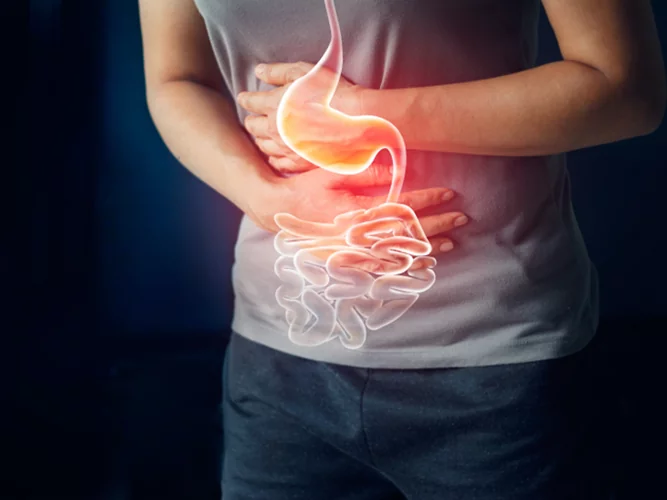
Digestion Problems
Digestion problems refer to a range of gastrointestinal disorders that affect the process of digestion, including the breakdown and absorption of nutrients from food. Some common digestion problems include:
Constipation
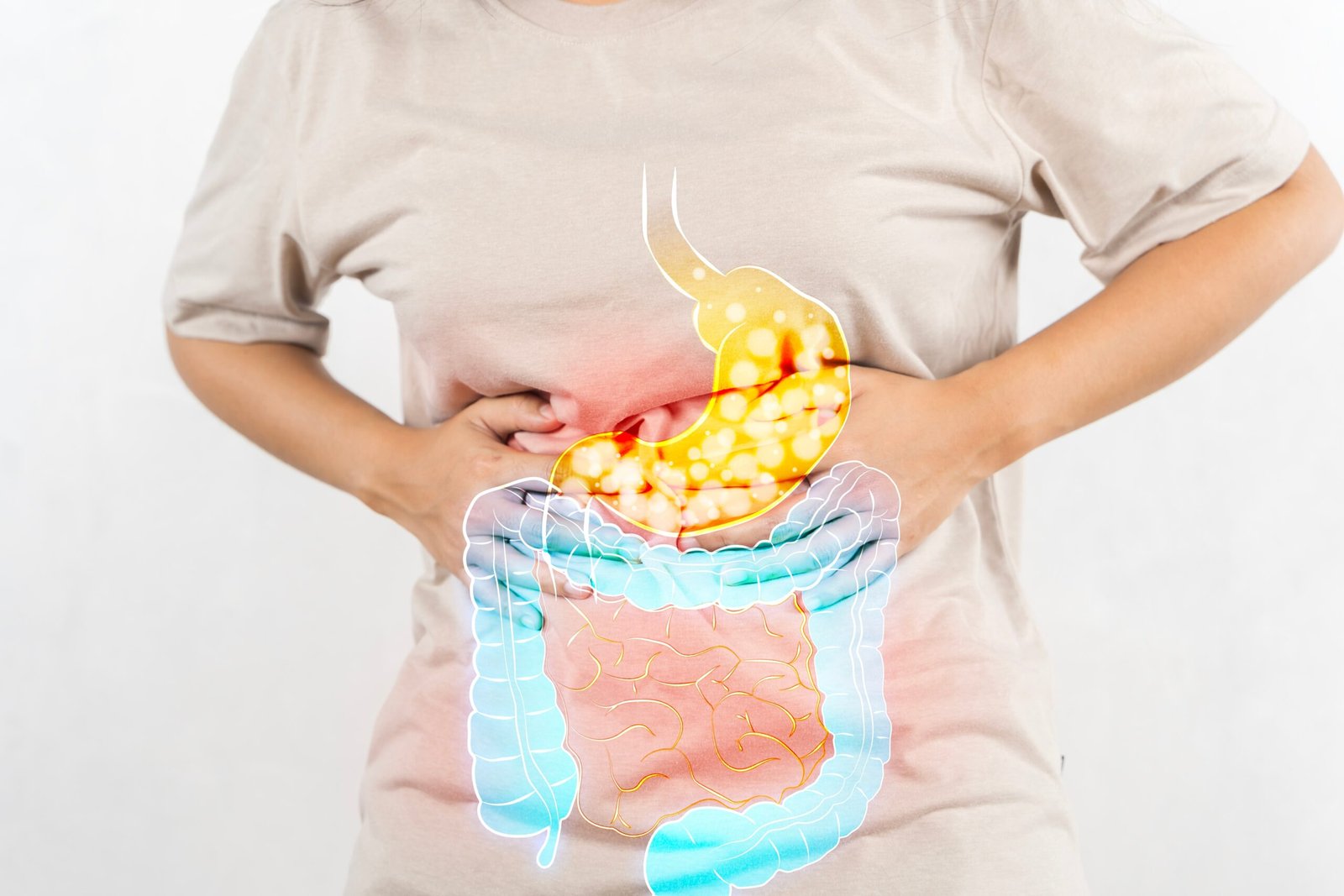
Constipation refers to difficulty in passing stools, characterized by infrequent bowel movements, hard and dry stools, and straining during bowel movements. It is a common gastrointestinal problem that can affect people of all ages, but it is more common in older adults and women.
Alcoholic Liver Diseases
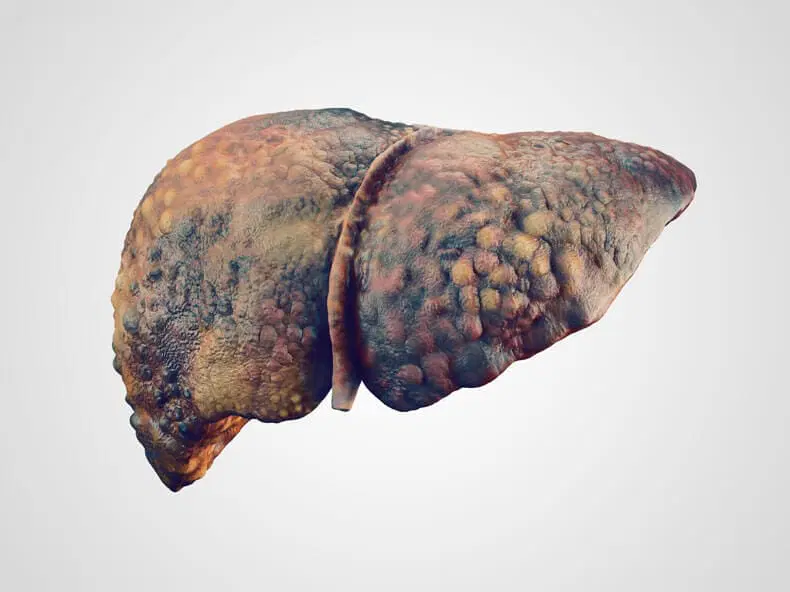
Alcoholic liver disease is a condition that occurs as a result of excessive alcohol consumption over a long period of time. It is a progressive disease that can range from mild to severe, and can lead to liver damage, cirrhosis, and even liver failure.
Pancreatitis
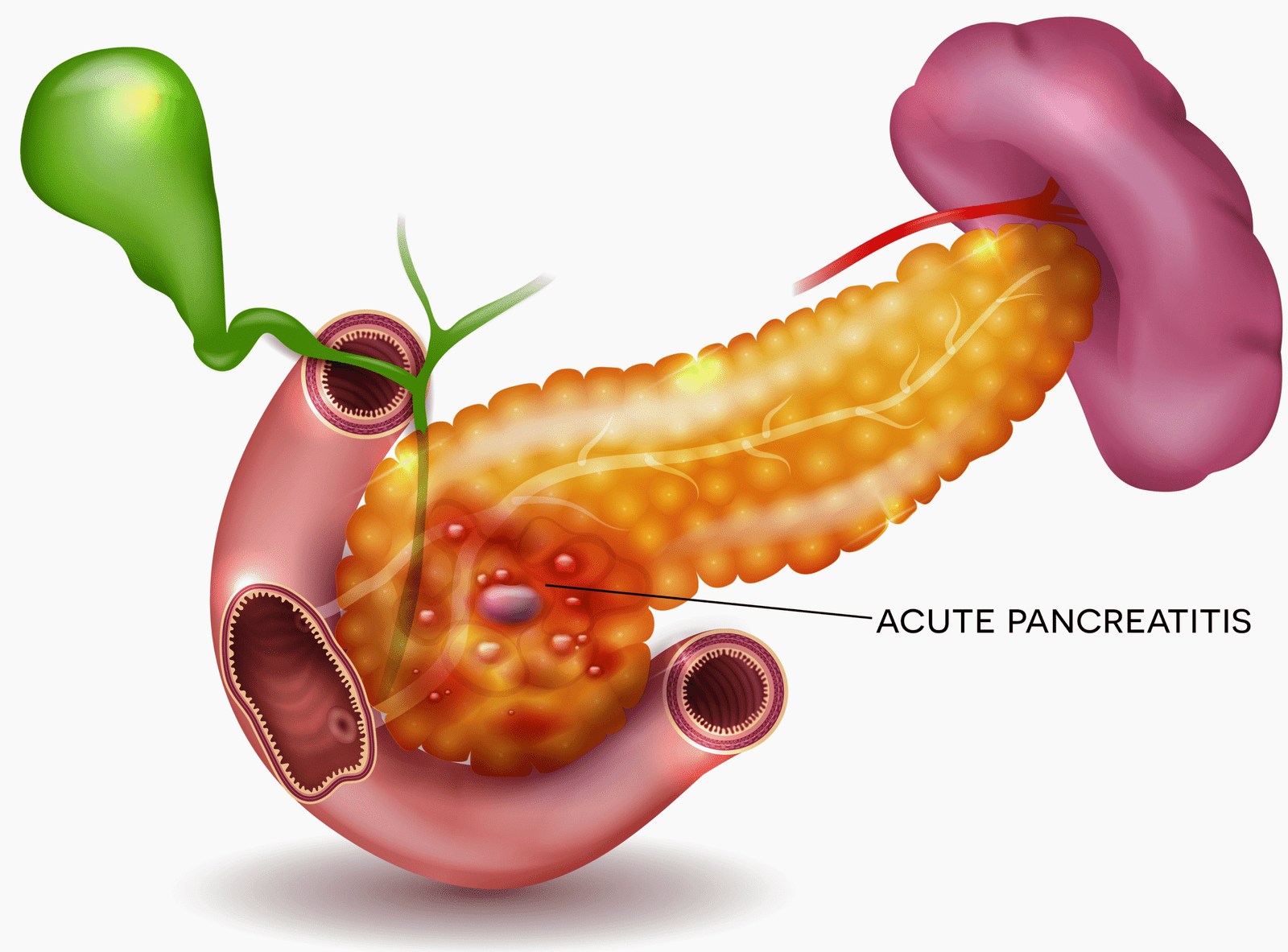
Pancreatitis is a condition that occurs when the pancreas becomes inflamed, causing digestive enzymes to leak out of the pancreas and into the surrounding tissue. This can cause swelling, bleeding, and damage to the pancreas and nearby organs.
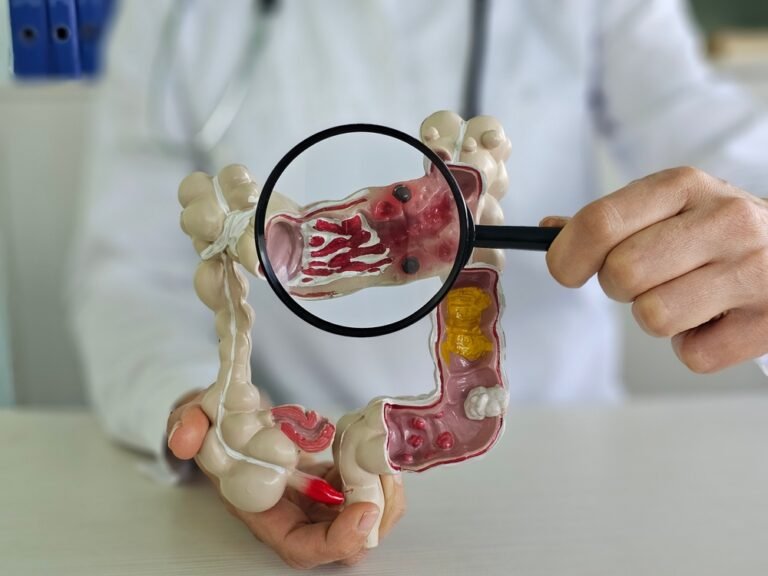
Colon Cancer
Colon cancer, also known as colorectal cancer, is a type of cancer that affects the colon or rectum. It occurs when abnormal cells in the colon or rectum grow uncontrollably, forming a tumor. The tumor can then invade nearby tissues and spread to other parts of the body.
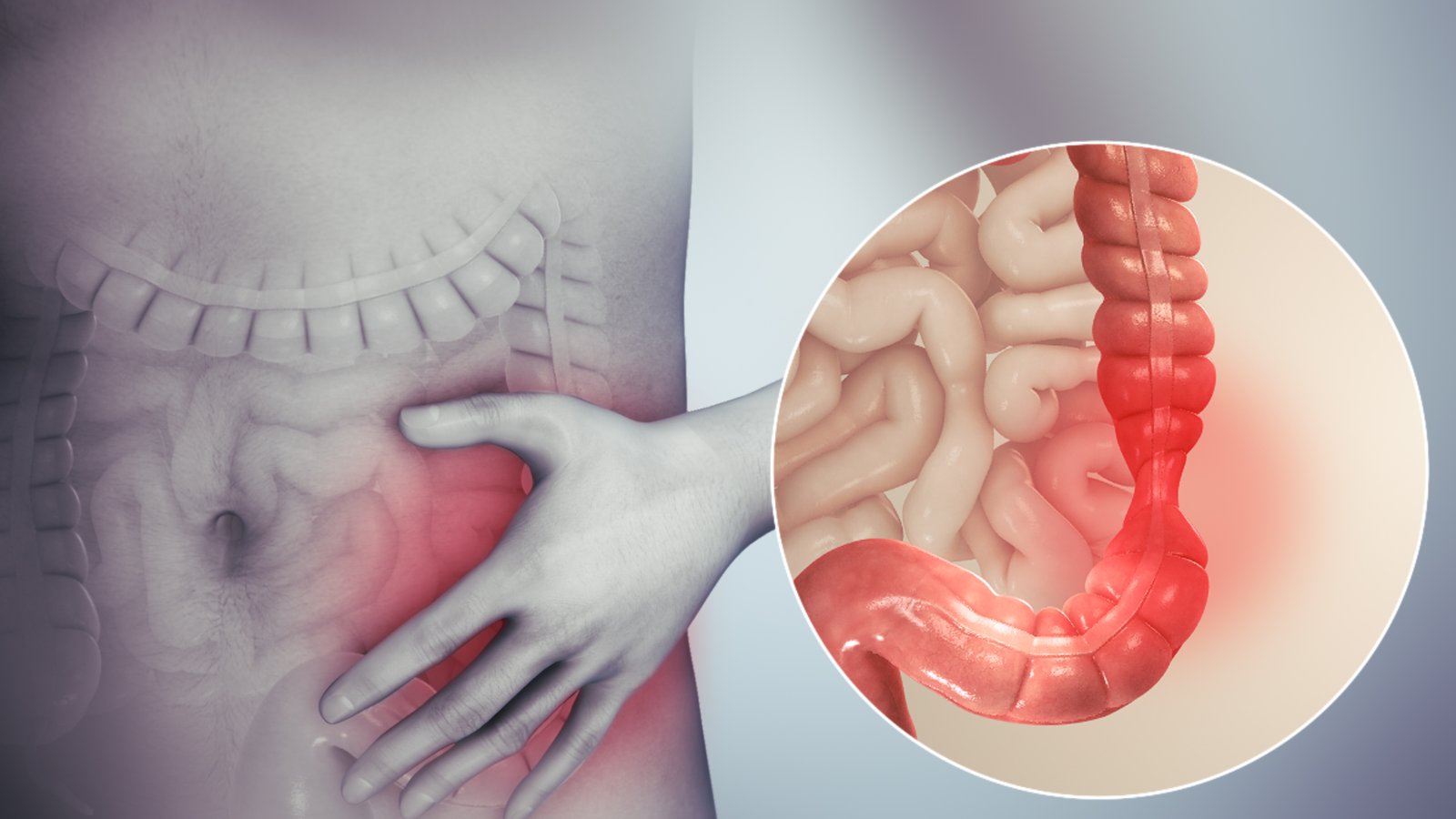
IBS
IBS, or irritable bowel syndrome, is a common digestive disorder that affects the large intestine (colon). IBS is a chronic condition that can cause a variety of symptoms, including abdominal pain, bloating, constipation, diarrhea, and alternating bouts of diarrhea and constipation.
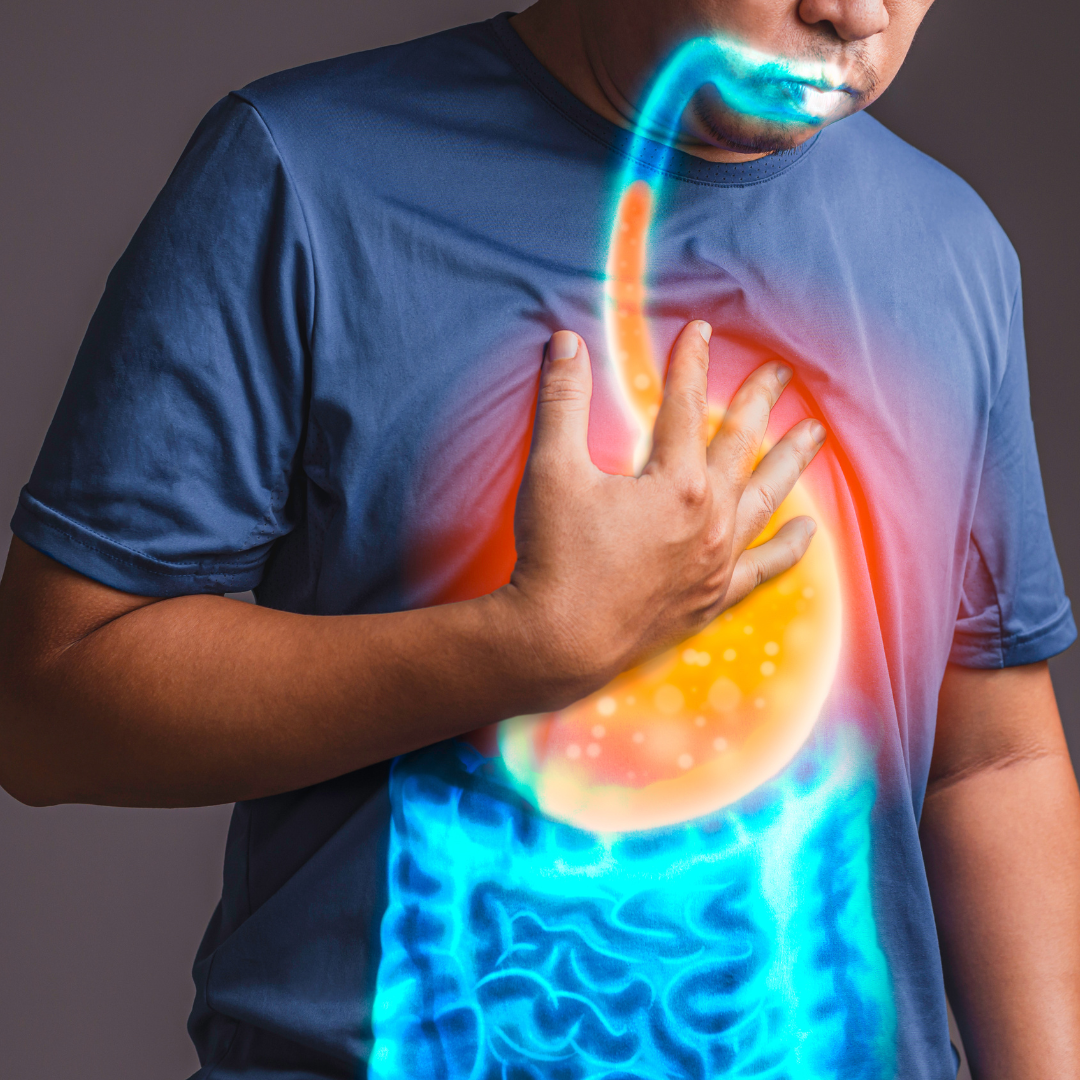
GERD
GERD, or gastroesophageal reflux disease, is a chronic digestive disorder in which stomach acid flows back into the esophagus, causing irritation and inflammation. This can lead to symptoms such as heartburn, chest pain, difficulty swallowing, and regurgitation of food or sour liquid.

Liver Cirrhosis
Liver cirrhosis is a chronic liver disease that occurs when healthy liver tissue is replaced with scar tissue. This scarring impairs liver function, and can lead to a number of serious complications.
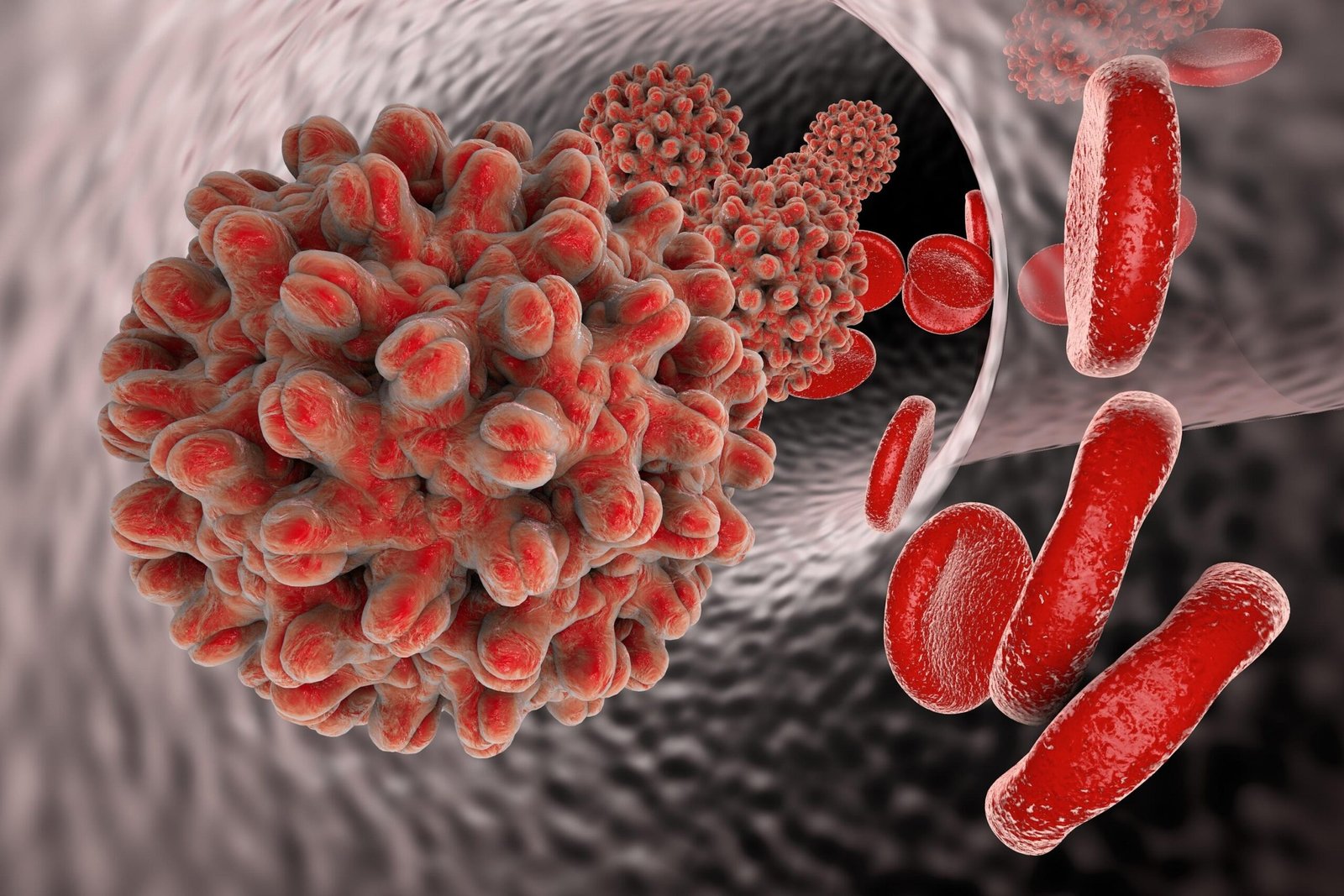
Hepatitis B Virus
Hepatitis B Virus (HBV) is a serious infection that affects the liver and is about 100 times more infectious than HIV. It can spread through contact with infected blood or other body fluids, such as during unprotected sex, sharing of needles, or from an infected mother to her baby at birth.